Review of cyberattacks in 2019: ransomware leads the way
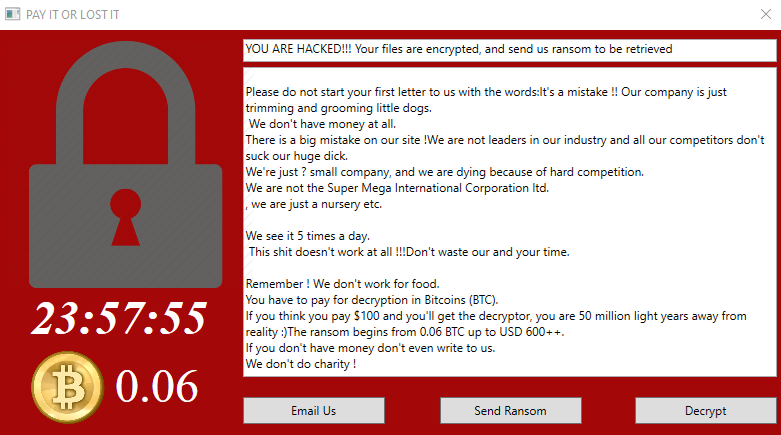
If 2019 has been called a year of computer hacking, for other researchers, 2019 is the year of ransomware.
A large number of cyberattacks based on this computer program have been observed, and the damage has been most visible. According to a report issued by the National Cybersecurity Agency on 29 January, the French IT security authority had to intervene more than 69 times to respond to a ransomware-related infection. According to Guillaume Poupard, the director of the institution: "It's an exponential curve (..) The question is how we deal with increasingly cases.
This article will also interest you: 5 biggest threats to COMPUTER security in 2019
That's very disturbing. When there are 10 ransomware attacks at the same time, choices will have to be made, and the agency will focus on what is critical; what to avoid is having to make choices that are too hard. he later added: "The most serious computer threat."
In the report issued by the French Security Agency A majority of the attacks on French structures on the basis of ransomware would have health institutions. Apart from that, some large groups had to go through the ransomware box. These include the M6 group, Fleury Michon or the consulting firm Altran. Compared to the company, damage was more or less consequential. Outside of health institutions, local authorities were also the victim of choice in 2019 hacker to ransomware. For ANSSI, ransomware presents as "the most serious IT threat to businesses institutions."
Practically 20/ it has been observed that many of the victims of this type of computer hacking are unfortunately random. It's as if hackers were engaged in what is known as "fishing for trawl. ». Without targeting a particular person or structure, these users try to infect as many people as possible. For them, this is a guarantee of income. and it works in a lot of cases, in an alternative where structures or individuals have the systems of security that are not updated where deficiente: "Any company, institution or individual with internet access may be infected with a ransomware if it has not implemented cybersecurity measures "basics" notes Anssi.
According to cybersecurity actors, in recent months there has been a strong increase in ransomware attacks. But the peculiarity of these attacks was that they were becoming increasingly targeted. In particular, targeting structures established as ideal targets by cyber criminals. This of course creates more damage on the victims' side but pays more on the hacker side. "Infections by these types of programs are preceded by intelligence and infiltration operations worthy of the most advanced state espionage operations," anssi explains.
It can often take months or even a year, the time for hackers to discreetly scout, to target files and infrastructure very discreetly. If the number of attempts by this type of process is reduced, the fact remains that it does pay more. And it's not uncommon to see some hackers pocketing money of up to $1 million. There is even mention of some groups that have managed to extort more than $100 million. This is the case of the hackers behind the GrandCab ransomware. According to the latter, the computer program allowed them to pocket more than $150 million in one year.
Now access an unlimited number of passwords!